Discovering Ingenious Methods to Special Needs Services and NDIS Services for Improved Support
The landscape of special needs services and NDIS offerings is quickly developing. Cutting-edge approaches are arising to boost support for people with disabilities. From the assimilation of innovative technologies to individualized treatment models, each technique plays a critical function. Neighborhood engagement and collaboration amongst company are just as essential. As these elements collaborated, they elevate important questions regarding future instructions and the influence on individual empowerment. What might this mean for the future of special needs support?
Embracing Technology in Impairment Solutions
Embracing technology has actually become important in the world of handicap services, where modern technology plays a critical duty in enhancing accessibility and assistance. Assistive technologies, such as speech acknowledgment software and movement help, enable people with disabilities to browse their atmospheres extra separately. Smart home devices, outfitted with voice-activated controls, facilitate daily tasks, promoting freedom and convenience.
Telehealth solutions have actually also changed access to health care, allowing individuals to seek advice from with experts from another location, therefore overcoming geographical obstacles. Mobile applications made specifically for handicap assistance offer users with resources and tools customized to their requirements, cultivating area engagement and expertise sharing.
Interaction Personalized Treatment Models for Specific Empowerment
As the landscape of disability solutions evolves, individualized treatment models arise as an essential method to equip individuals with unique needs. These designs focus on personalized analyses, making certain that solutions line up very closely with individual objectives, preferences, and capabilities. By concentrating on the details scenarios of each person, caretakers can establish tailored support strategies that advertise freedom and improve high quality of life.
Integrating input from the individuals obtaining treatment is important, promoting a joint connection in between company and customers. This client-centered technique not just enhances engagement however likewise constructs count on, motivating individuals to take an active function in their treatment.
Furthermore, customized treatment models can adjust to adjustments in a person's demands with time, guaranteeing recurring significance and assistance. By equipping people with tailored approaches, these designs substantially add to improved outcomes and an extra inclusive society, where everybody has the opportunity to prosper.
Neighborhood Interaction and Assistance Networks
Neighborhood interaction and support networks regularly play an essential duty in boosting the total well-being of individuals with specials needs. These networks offer vital resources, promoting links that encourage people to participate completely in their neighborhoods. ndis registered provider. Engaging with regional companies, volunteer teams, and peer support group can produce a feeling of belonging and decrease isolation
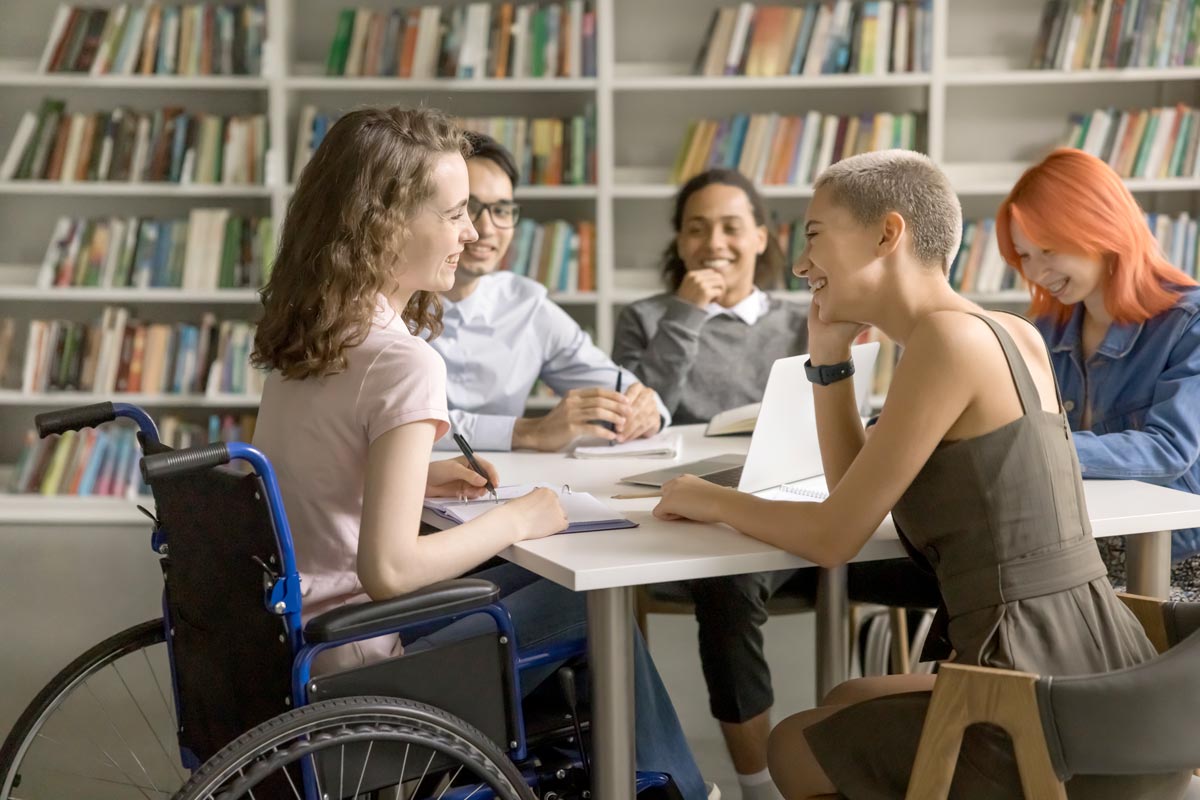
These networks urge collaboration among families, service companies, and neighborhood participants, leading to an extra inclusive atmosphere. disability services. By utilizing the toughness of diverse stakeholders, individuals with disabilities can access a wider range of assistance options, inevitably improving their lifestyle and promoting an extra comprehensive culture
Collective Methods Amongst Company
Collective approaches among provider are necessary for providing comprehensive assistance to people with impairments. By cultivating collaborations among various organizations, provider can share sources, knowledge, and expertise, enhancing the general quality of treatment. Such partnership allows for an extra incorporated service distribution model, where clients receive worked with help customized to their unique needs.
In these participating frameworks, interaction is important. Normal meetings and information-sharing systems ensure that all stakeholders are aligned in their goals and techniques. This harmony not just improves solution effectiveness yet also boosts the experience for individuals with specials needs and their households.
Collaborative techniques can lead to cutting-edge remedies, as diverse perspectives often influence creative analytic. By functioning together, provider can navigate obstacles better and supporter for systemic adjustments that benefit their clients. Eventually, these collaborations contribute to an all natural support group that encourages people with disabilities to accomplish their objectives and improve their high quality of life.
Enhancing Availability Via Innovative Layout
Cutting-edge style plays an important function in enhancing accessibility for individuals with disabilities. By applying universal layout concepts and integrating assistive technologies, environments can be made extra inclusive and functional. This method not just advantages individuals but likewise promotes a more comprehensive understanding of accessibility in society.

Universal Design Principles
Universal Style Principles play a critical role in improving availability for individuals with specials needs. These principles advocate for developing settings, items, and solutions that are functional by all people, despite their abilities or specials needs. By emphasizing inclusivity in layout, they motivate engineers, metropolitan organizers, and item designers to think about varied customer requires from the start. This approach not just helps with physical access however also promotes social involvement and freedom. Utilizing Universal Layout Concepts can lead to cutting-edge solutions that attend to obstacles, ensuring that spaces and tools are functional for everyone. Ultimately, these concepts foster a society see this of approval and understanding, creating an extra fair society where all individuals can thrive without limitations.
Assistive Innovation Assimilation
Integrating assistive technology right into numerous settings substantially improves ease of access for people with disabilities. disability support. This combination entails using gadgets and software application developed to help everyday activities, improve interaction, and foster independence. As an example, speech acknowledgment software permits individuals with limited flexibility to engage with innovation flawlessly, while movement help such as wise wheelchairs offer navigation help. Innovations like enhanced reality can create immersive knowing experiences, making education and learning more comprehensive. Furthermore, the consolidation of assistive technologies within public spaces, such as tactile signage and audio guides, ensures that people with sensory problems can navigate their surroundings successfully. By focusing on the combination of these modern technologies, culture can produce an extra fair atmosphere, encouraging individuals with disabilities to engage fully in their areas
Abilities Development and Work Opportunities
As individuals with disabilities seek to boost their self-reliance and high quality of life, abilities advancement plays an important function in providing significant job opportunity. Tailored training programs focus on gearing up participants with important abilities relevant to their wanted career paths. These programs are created to cultivate both tough and soft abilities, making sure people can navigate the demands of the office successfully.
Partnership between special needs company and regional services is important in developing paths to work. Companies gain from a diverse workforce, while individuals gain accessibility to work possibilities that line up with their capabilities and rate of interests. Efforts that promote comprehensive employing techniques add to a more equitable work market.
The Role of Peer Assistance in NDIS Solutions
How can peer support improve the experience of people utilizing NDIS services? Peer assistance plays a crucial duty in fostering a sense of community and a fantastic read belonging among NDIS individuals. By linking individuals with shared experiences, peer assistance offers psychological motivation and functional recommendations, assisting them navigate the complexities of the NDIS system. This link frequently results in boosted self-confidence and autonomy as participants discover from one an additional's journeys.
Additionally, peer assistance can help with the exchange of details about offered sources and solutions, equipping people to make educated decisions. It likewise encourages active participation in their own treatment plans, advertising self-advocacy and strength. Additionally, peers can use understandings right into dealing methods and individual development, boosting overall health. Ultimately, incorporating peer support within NDIS services not only boosts private experiences yet also adds to a much more comprehensive and encouraging environment for all participants.
Future Fads in Special Needs Support Services
Future trends in handicap assistance solutions are increasingly formed by technology assimilation, which boosts access and interaction. Customized assistance techniques are emerging to better deal with individual demands, promoting higher independence among clients. Furthermore, community-based solution models are getting traction, cultivating inclusivity and collaboration within local environments.
Innovation Assimilation in Services
With the quick innovation of modern technology, the combination of cutting-edge remedies in impairment support solutions is ending up being progressively necessary. Assistive modern technologies, such as interaction tools and mobility aids, enhance the independence and lifestyle for individuals with specials needs. Digital systems help with much easier access to solutions, enabling users to get in touch with service providers and peers through telehealth and on the internet support system. Furthermore, information analytics and clever home systems enable for customized interventions, maximizing resource allocation and boosting results. Emerging innovations like man-made knowledge and artificial intelligence hold guarantee for predictive analytics, possibly determining needs before they emerge. As these innovations develop, they will redefine the landscape of special needs support services, making certain a lot more receptive and reliable treatment for people.
Customized Support Strategies
Personalized assistance strategies are significantly ending up being a keystone of reliable disability solutions, as they satisfy the unique requirements of individuals. These strategies emphasize individualized preparation and implementation, customizing support to align with individual objectives, preferences, and abilities. By including input from professionals, families, and clients, organizations can create customized strategies that advertise autonomy and empowerment. Such strategies can include flexible service distribution versions, routine analyses, and adapting support as requirements advance. Additionally, the integration of technology can enhance customized approaches, enabling real-time modifications and improved communication. As the landscape of disability solutions remains to evolve, the focus on tailored assistance will be vital in guaranteeing that people get the comprehensive treatment they deserve, ultimately leading to better end results and lifestyle.
Community-Based Service Models
Community-based service designs represent a transformative change in the landscape of special needs assistance services, emphasizing inclusivity and ease of access. These models focus on local sources and community participation, enabling people with handicaps to receive support within their very own areas. By promoting cooperation between company, local governments, and area organizations, these models improve the accessibility of tailored solutions that fulfill diverse requirements. Individuals benefit from boosted social assimilation and decreased seclusion, as they involve with peers and area participants. Community-based approaches usually leverage the toughness of informal support networks, advertising sustainable solutions that empower individuals. As the need for customized care rises, these models are most likely to form the future of impairment assistance, driving technology while ensuring fair access to essential services.
Regularly Asked Inquiries
Just How Can Families Find the Right Disability Support Solutions?
Families can find the best special needs assistance solutions by looking into local service providers, seeking referrals from specialists, assessing service offerings, and assessing compatibility with their specific demands to make certain thorough and customized assistance for their loved ones.
What Are the Eligibility Requirements for NDIS Services?
To certify for NDIS solutions, individuals have to be under 65 years old, have a substantial and permanent special needs, be an Australian resident or citizen, and need assistance to join day-to-day live tasks.
Just how Does the NDIS Financing Process Job?
The NDIS financing procedure includes participants sending an accessibility request, getting approval based on qualification, and after that producing a customized plan detailing their supports. Funds are designated accordingly, making it possible for accessibility to essential services and resources.
What Should I Do if My NDIS Strategy Is Denied?
If an NDIS strategy is rejected, one need to assess the choice, gather supporting evidence, contact the NDIS for clarification, and consider sending a demand for a testimonial or appealing the decision if essential.
Are There Support Services Especially for Children With Disabilities?
Yes, there are support solutions particularly made for kids with impairments. These solutions consist of specialized education programs, therapy alternatives, and family members sustain sources aimed at enhancing the general well-being and growth of affected youngsters.
Collaborative approaches among solution Continue carriers are crucial for delivering comprehensive support to people with handicaps. How can peer assistance enhance the experience of people utilizing NDIS services? Peer assistance can help with the exchange of details regarding readily available sources and solutions, equipping individuals to make enlightened decisions. Personalized support methods are increasingly ending up being a cornerstone of reliable handicap solutions, as they cater to the unique demands of individuals. Community-based solution designs stand for a transformative shift in the landscape of special needs assistance services, emphasizing inclusivity and ease of access.
Comments on “How ndis providers cessnock assist participants in building independence through disability services”